Sales Are Up—So Where Is Your Restaurant Profit Going?
Strong sales do not always produce strong profit. Learn where restaurant profit leakage happens and how better visibility across food cost, stock, wastage, and expenses can help.
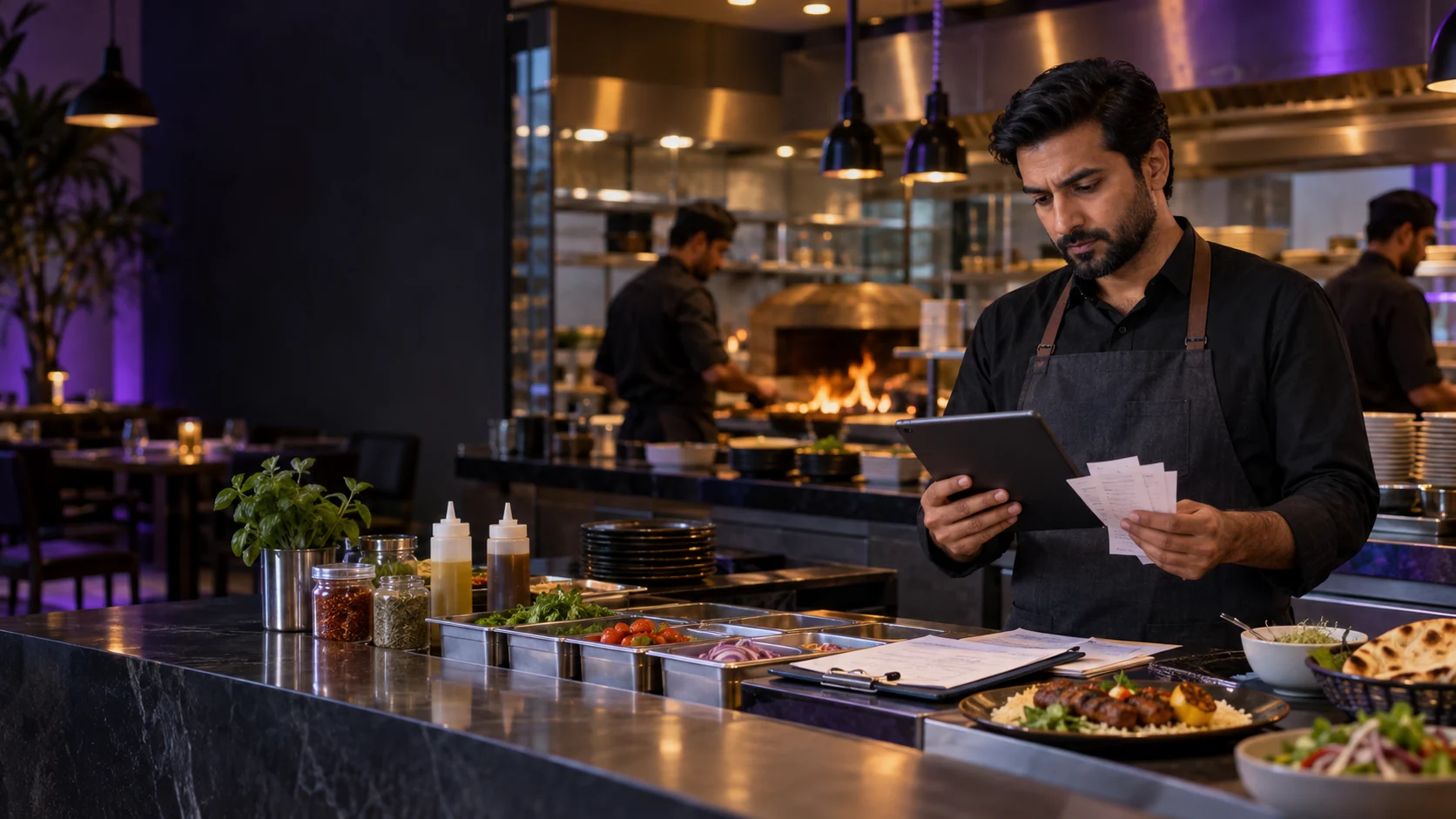
A busy restaurant can look successful. Tables are occupied, orders keep coming in, and daily sales appear healthy. But when the month ends, the profit may still be lower than expected.
This gap is often caused by restaurant profit leakage: small, repeated losses that remain hidden across food cost, wastage, inventory, purchasing, and expenses. Individually, each loss may seem minor. Together, they can weaken the financial performance of the entire restaurant.
Where restaurant profit leakage happens
1. Food costs are not tracked accurately
Ingredient prices change, portion sizes vary, and recipes are not always followed consistently. If recipe costs are outdated, a menu item may generate less profit than the selling price suggests.
Restaurant owners need visibility into what each dish should cost and whether actual ingredient use matches that expectation.
2. Wastage goes unrecorded
Spoiled ingredients, preparation mistakes, overproduction, and returned dishes all affect profit. When wastage is not recorded, it disappears from operational reports—but the business still pays for it.
Even a simple process for recording the reason and quantity of wastage can reveal patterns that need attention.
3. Stock records do not match reality
Purchases, kitchen usage, transfers, and physical stock counts should tell the same story. When they do not, owners may face over-ordering, shortages, unrecorded consumption, or stock leakage.
Regular stock checks become far more useful when they can be compared with purchasing, recipes, and sales data.
4. Small expenses are overlooked
Emergency purchases, delivery charges, repairs, staff meals, and other daily costs can easily be missed. Sales reports alone cannot show the true health of a restaurant if expenses are recorded separately—or not recorded at all.
Complete restaurant expense tracking gives owners a clearer view of what remains after the bills are paid.
Better decisions start with better visibility
Restaurant profit management is not only about increasing sales. It is also about understanding what happens between an order being placed and profit reaching the bottom line.
FlexPro360 brings restaurant operations—including POS, inventory and stock, purchasing, recipes, expenses, kitchen operations, reporting, and branch performance—into one restaurant management system. This gives owners a more connected view of the areas where profit can quietly disappear.
When sales, food cost, wastage, stock, and expenses can be reviewed together, it becomes easier to ask the right questions, investigate unusual results, and make informed operational decisions.
Find the gaps before they grow
Strong sales are valuable, but sales alone do not tell the full story. The restaurants that understand their costs and operations are better placed to protect their margins and plan sustainable growth.
Want clearer visibility across your restaurant? Visit the FlexPro360 website to explore the platform, compare packages, and contact our sales team.